

Your credit score plays a major role in your financial life in the United States. Whether you are applying for a credit card, buying a car, or renting an apartment, your credit history often decides what you qualify for and what interest rate you receive.
In 2026, more people are becoming aware of how small financial habits can directly impact their credit profile. The good part is that improving your credit score is not as complicated as it seems, but it does require consistency and discipline.
Understanding What Affects Your Credit Score
A credit score is calculated based on several factors including payment history, credit utilization, account age, types of credit, and recent inquiries.
Among these, payment history has the biggest impact. Missing even a single payment can affect your score for months. On the other hand, making payments on time consistently builds trust with lenders over time.
Credit utilization is another important factor. This refers to how much credit you are using compared to your total limit. Financial experts generally recommend keeping it below 30 percent to maintain a healthy score.
Simple Habits That Make a Big Difference
One of the most effective ways to improve your credit score is to pay all bills on time. Setting up automatic payments can help avoid missed deadlines.
Another helpful strategy is reducing outstanding credit card balances. Even if you cannot pay everything at once, gradually lowering your balance can improve your utilization ratio.
It is also important to avoid applying for too many new credit accounts within a short period. Each application creates a hard inquiry, which can slightly lower your score temporarily.
The Role of Credit Cards in Building Credit
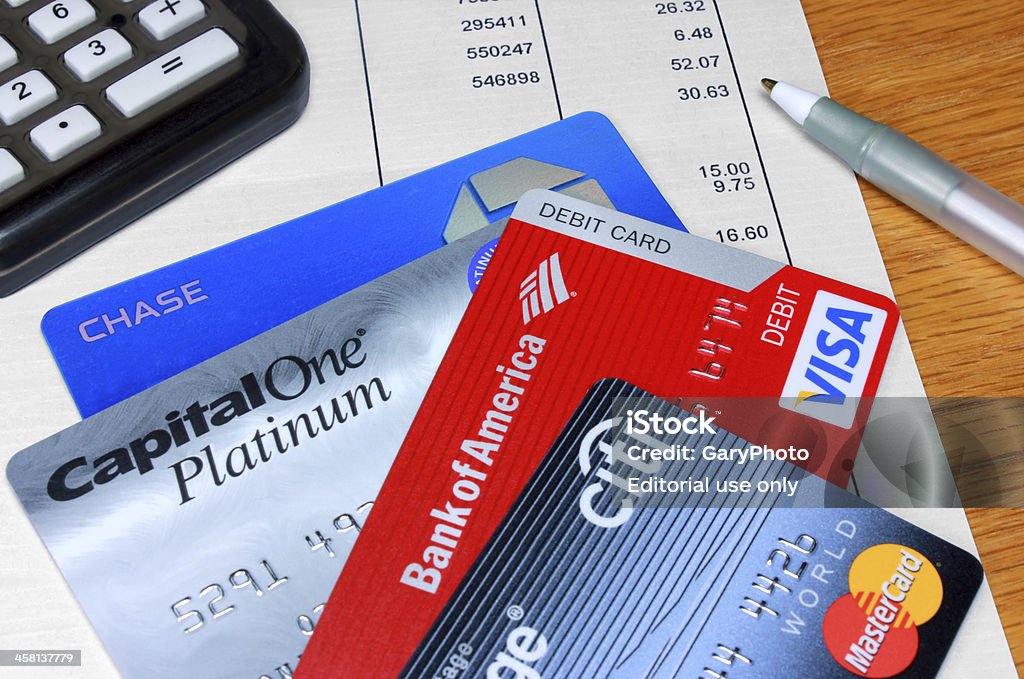
Credit cards are one of the most common tools used to build credit history in the United States. When used responsibly, they help demonstrate financial reliability.
Keeping older credit cards open can also help because the length of your credit history contributes positively to your score. Closing old accounts too quickly may reduce your average account age.
Why Credit Reports Matter More Than People Realize
Your credit report contains detailed information about your borrowing history. Lenders use this report to evaluate your financial behavior before approving loans or credit lines.
Checking your credit report regularly helps you identify errors or fraudulent activity early. Many consumers are surprised to find mistakes that negatively affect their score without their knowledge.
Long-Term Financial Planning
Improving your credit score is not just about short-term fixes. It is part of a long-term financial strategy. A strong credit profile can help you secure lower interest rates, better loan approvals, and even higher rental approval chances.
Over time, even small improvements in your score can lead to significant financial savings.
Final Thoughts
Building a strong credit score requires patience and consistent financial discipline. There are no shortcuts, but small daily habits can lead to major improvements over time.
In 2026, financial institutions are placing even more emphasis on credit behavior, making it important to stay aware and proactive with your financial decisions.