

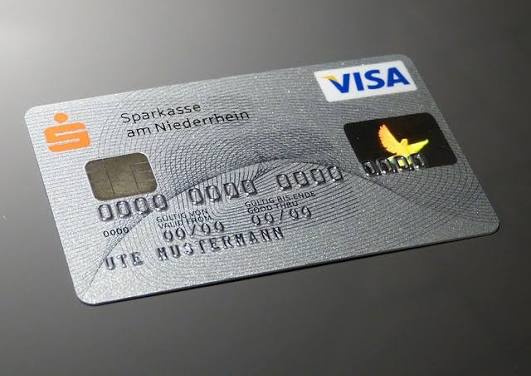
A credit card is a financial product that allows you to make purchases using money borrowed from a bank or financial institution. Instead of paying directly from your bank account, the card issuer pays the merchant on your behalf, and you repay the borrowed amount according to the terms of your credit card agreement. If you repay the full statement balance by the due date, many credit cards provide an interest-free grace period on eligible purchases. However, carrying a balance beyond the due date may result in interest charges.
Credit cards have become a common payment method for shopping, online transactions, travel bookings, utility bill payments, and subscriptions. While they offer convenience and flexibility, they also require responsible financial management.
What Is a Credit Card?
A credit card is a payment card issued after a financial institution approves an applicant. The issuer assigns a credit limit, which represents the maximum amount the cardholder can borrow at any given time. This limit is determined based on factors such as income, financial profile, and the issuer’s lending policies.
Each purchase made with the card reduces the available credit. Once the cardholder makes payments, the available credit increases again. This cycle continues as long as the account remains active and in good standing.
How Does a Credit Card Work?
Every credit card follows a billing cycle. During this period, all purchases, refunds, and other transactions are recorded. At the end of the cycle, the issuer generates a statement that includes the total amount spent, the payment due date, and the minimum payment required.
If the full statement balance is paid before the due date, eligible purchases generally do not incur interest. If only part of the balance is paid, the remaining amount may begin to accrue interest according to the card’s terms.
Understanding the billing cycle and payment schedule is one of the most important aspects of using a credit card responsibly.
Common Uses of a Credit Card
Credit cards are widely used for:
– Online shopping
– Retail store purchases
– Hotel reservations
– Airline ticket bookings
– Food delivery and subscription services
– Utility bill payments
– International transactions where accepted
Many merchants also support contactless payments, allowing customers to complete purchases quickly by tapping the card on a compatible payment terminal.
Advantages of Using a Credit Card
Convenient Payments
Credit cards eliminate the need to carry large amounts of cash. They are accepted by millions of businesses worldwide, making them useful for both everyday spending and travel.
Security Features
Most card issuers use fraud detection systems that monitor unusual activity. If suspicious transactions are detected, the issuer may temporarily block the card or contact the customer for verification.
Many cards also support security technologies such as EMV chips, contactless payments, and additional verification for online purchases.
Rewards Programs
Some credit cards provide rewards on eligible purchases. Depending on the issuer, rewards may include cashback, travel points, reward points, or airline miles. These benefits vary from one card to another.
Financial Flexibility
A credit card can help manage short-term cash flow by allowing purchases before the payment due date. However, borrowed money should always be repaid responsibly.
Responsibilities of a Cardholder
Owning a credit card also comes with responsibilities.
Cardholders should review their monthly statements carefully to confirm that every transaction is correct. Unauthorized transactions should be reported to the issuer as soon as possible.
Payments should always be made on or before the due date. Late payments may result in fees and, depending on local credit reporting practices, may affect the cardholder’s credit history.
It is also important to keep card information secure. Card numbers, PINs, passwords, and one-time verification codes should never be shared with anyone.
Common Fees Associated With Credit Cards
Depending on the issuer and the specific card, common charges may include:
– Annual membership fees
– Late payment fees
– Cash advance fees
– Foreign transaction fees
– Balance transfer fees
Not every credit card includes all of these fees, so reading the official terms before applying is important.
Credit Card vs. Debit Card
Although both cards look similar, they serve different purposes.
A debit card withdraws money directly from your bank account. If there is not enough money in the account, the transaction may be declined.
A credit card allows purchases using a line of credit provided by the issuer. The borrowed amount must later be repaid according to the billing statement.
Credit cards may also include rewards and additional consumer protections that are not always available with debit cards.
Tips for Responsible Credit Card Use
Responsible use can help cardholders avoid unnecessary costs.
– Pay the full statement balance whenever possible.
– Make payments before the due date.
– Avoid spending beyond your budget.
– Regularly review account statements.
– Keep your contact information updated with the issuer.
– Use secure websites when shopping online.
– Report lost or stolen cards immediately.
Developing these habits can help reduce financial risks and improve long-term money management.
Who Can Benefit From a Credit Card?
A credit card may be suitable for individuals who regularly pay bills on time, maintain a monthly budget, and understand how borrowing works. It can be useful for online shopping, travel, emergency expenses, and everyday purchases when managed responsibly.
However, anyone who frequently struggles with debt or overspending should carefully consider whether a credit card fits their financial situation.
Conclusion
A credit card is more than just a payment method—it is a financial responsibility. When used wisely, it offers convenience, secure transactions, payment flexibility, and access to rewards offered by the issuer. At the same time, responsible spending and timely repayment are essential to avoid interest charges and unnecessary fees.
Before applying for any credit card, carefully review the issuer’s terms and conditions, including fees, interest rates, eligibility requirements, and available benefits. Understanding these details will help you choose a card that matches your financial needs and use it responsibly over the long term.